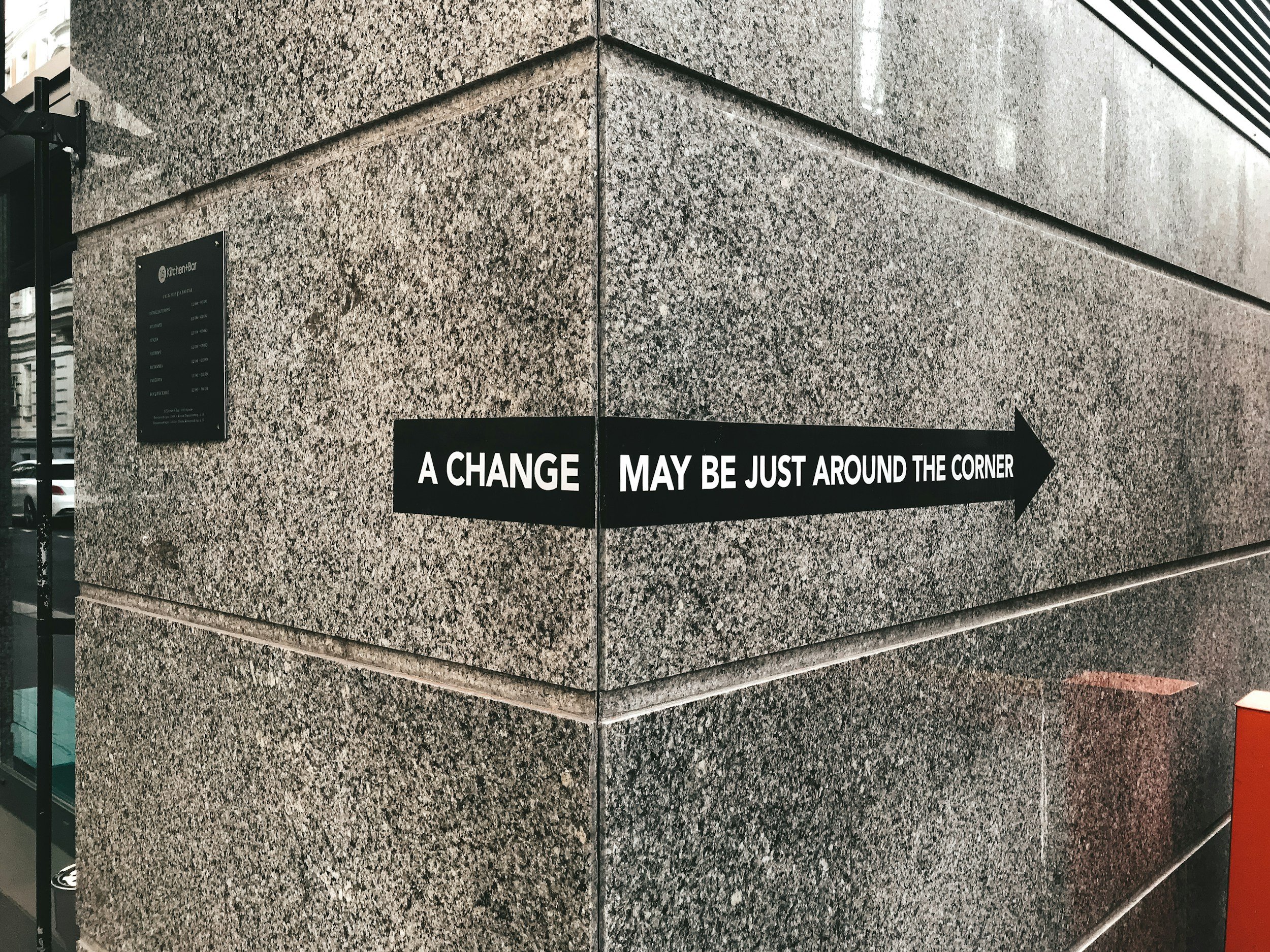
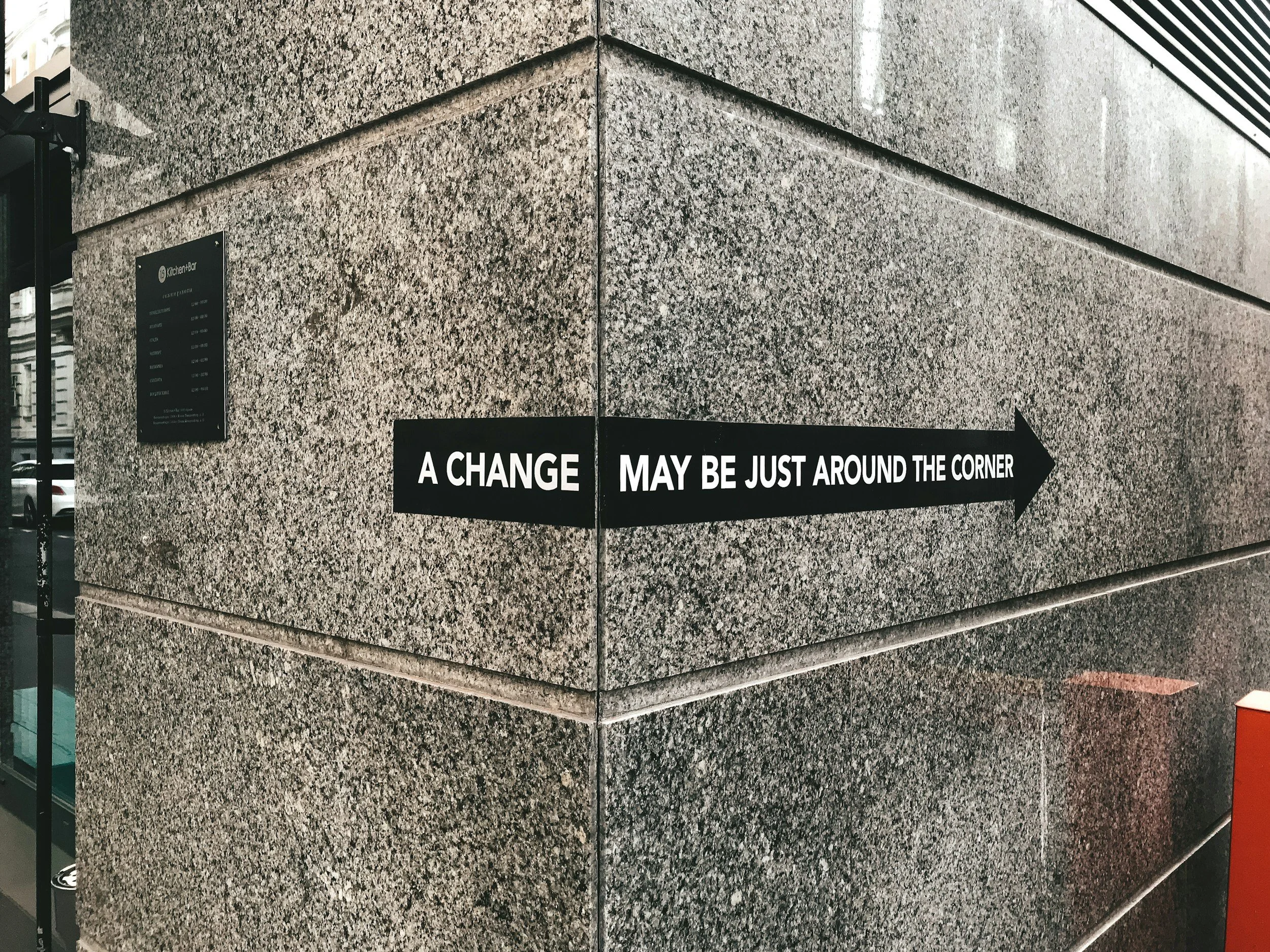
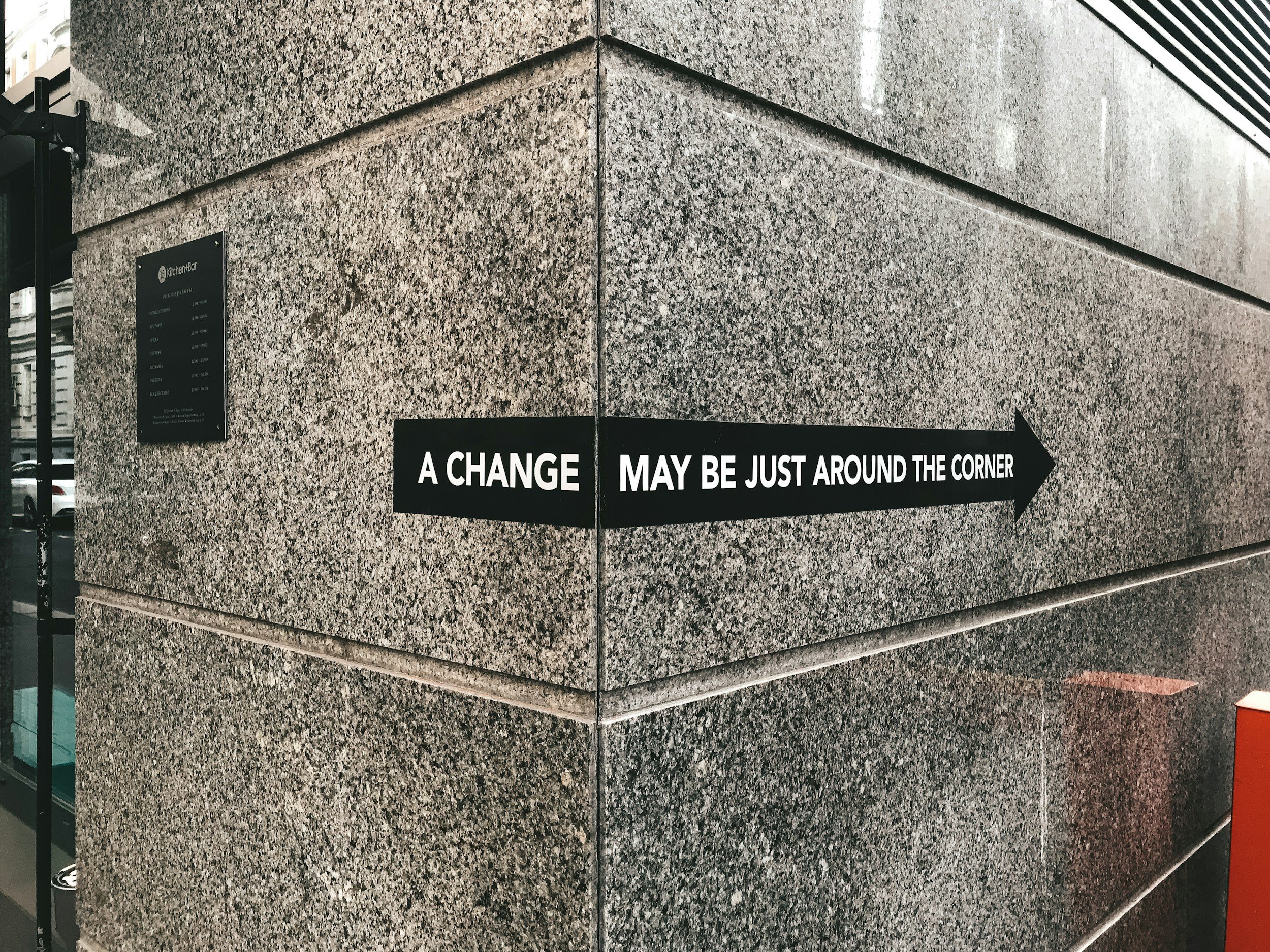
Change is rarely the problem organizations think it is.
Most leaders understand what needs to change. They see the market shifts, operational gaps, or cultural challenges clearly. Yet even well-intentioned change initiatives often stall, meet resistance, or feel exhausting to sustain.
Over time, leaders begin to wonder why something that seems so necessary feels so difficult to implement.
The answer usually has less to do with strategy and far more to do with people.
Change Is Experienced, Not Announced
Organizations often treat change as an event: a new structure, a new process, a new direction. But for the people inside the organization, change is experienced emotionally and relationally, not just operationally.
When change is announced without sufficient attention to how people understand, process, and feel about it, uncertainty grows. Questions remain unspoken.
Assumptions take root. Even capable teams can become cautious or disengaged not because they oppose the change, but because they are unsure of what it means for them.
Resistance Is Often a Signal, Not a Barrier
Resistance is commonly viewed as something to overcome. In reality, it is often a form of communication.
People resist when they feel unheard, unclear, or disconnected from the purpose behind the change. They may worry about competence, job security, or loss of identity within the organization. When these concerns are ignored or minimized, resistance becomes entrenched.
Effective change leaders pause long enough to listen. They treat resistance as information, insight into where communication has broken down or trust needs to be rebuilt.
Leadership Behavior Shapes the Change Experience
Change efforts rise or fall on leadership behavior. How leaders communicate, model expectations, and respond to uncertainty sends powerful signals throughout an organization.
When leaders appear inconsistent, rushed, or emotionally disconnected from the change process, teams sense it immediately. Conversely, leaders who acknowledge uncertainty, communicate with clarity, and remain present during difficult moments create stability even when answers are still evolving.
People don’t expect perfection from leaders during change. They expect honesty, consistency, and reassurance that the human impact has been considered.
Systems Matter More Than Announcements
Change cannot be sustained through messaging alone. If systems, processes, and performance expectations remain misaligned, people quickly revert to old behaviors.
Successful change efforts pay attention to how decisions are made, how performance is measured, and how leaders are supported throughout the transition. When people systems reinforce the desired change, momentum builds naturally. When they don’t, frustration grows.
Change becomes harder than it should be when organizations underestimate the role of structure and alignment.
Making Change Feel More Manageable
Change does not have to feel overwhelming. When leaders approach change as a process rather than a proclamation, the experience shifts.
This means:
Creating space for dialogue
Communicating purpose, not just plans
Supporting leaders at all levels
Aligning systems with new expectations
When people feel informed, supported, and respected, change becomes something they participate in, not something they endure.
Change management feels harder than it should be when the human side of change is overlooked. Organizations that invest in leadership capability, emotional intelligence, and aligned people systems are better equipped to navigate change with resilience and clarity.
Change is not just about moving forward. It is about bringing people with you.
If your organization is navigating change and seeking clarity, leadership alignment, or support through transition, thoughtful change management makes a meaningful difference.